More available hours
Support nights, weekends, and demand peaks without operator travel.

ODIN
Remote access and non-intrusive physical interaction with equipment, combining low latency and high-resolution video.
The challenge we address
Keeping imaging equipment running continuously is difficult when qualified professionals are unavailable for every shift. Nights, weekends, absences, and demand peaks can leave rooms idle while patients wait.
ODIN brings experienced professionals closer to the facility’s routine, expanding coverage without requiring every specialist to be physically beside the console.
Benefits
A connected operation makes better use of existing resources and puts technical expertise where it is needed.
Support nights, weekends, and demand peaks without operator travel.
Connect the facility to experienced professionals regardless of location.
Physicians and radiologists can follow exams and guide protocols remotely.
The local team receives technical support and continuous training during operation.
What the study observed
Values observed in a study on the remote operation of magnetic resonance imaging. Results depend on the profile, demand, and processes of each service. Source: Santos, I. “Avaliação da operação remota de ressonância magnética: impactos na eficiência, produtividade e qualidade”. Doctoral thesis, 2024.

How it works
ODIN hardware is installed without modifying the imaging equipment.
An isolated VPN, encryption in transit, and multi-factor authentication protect access.
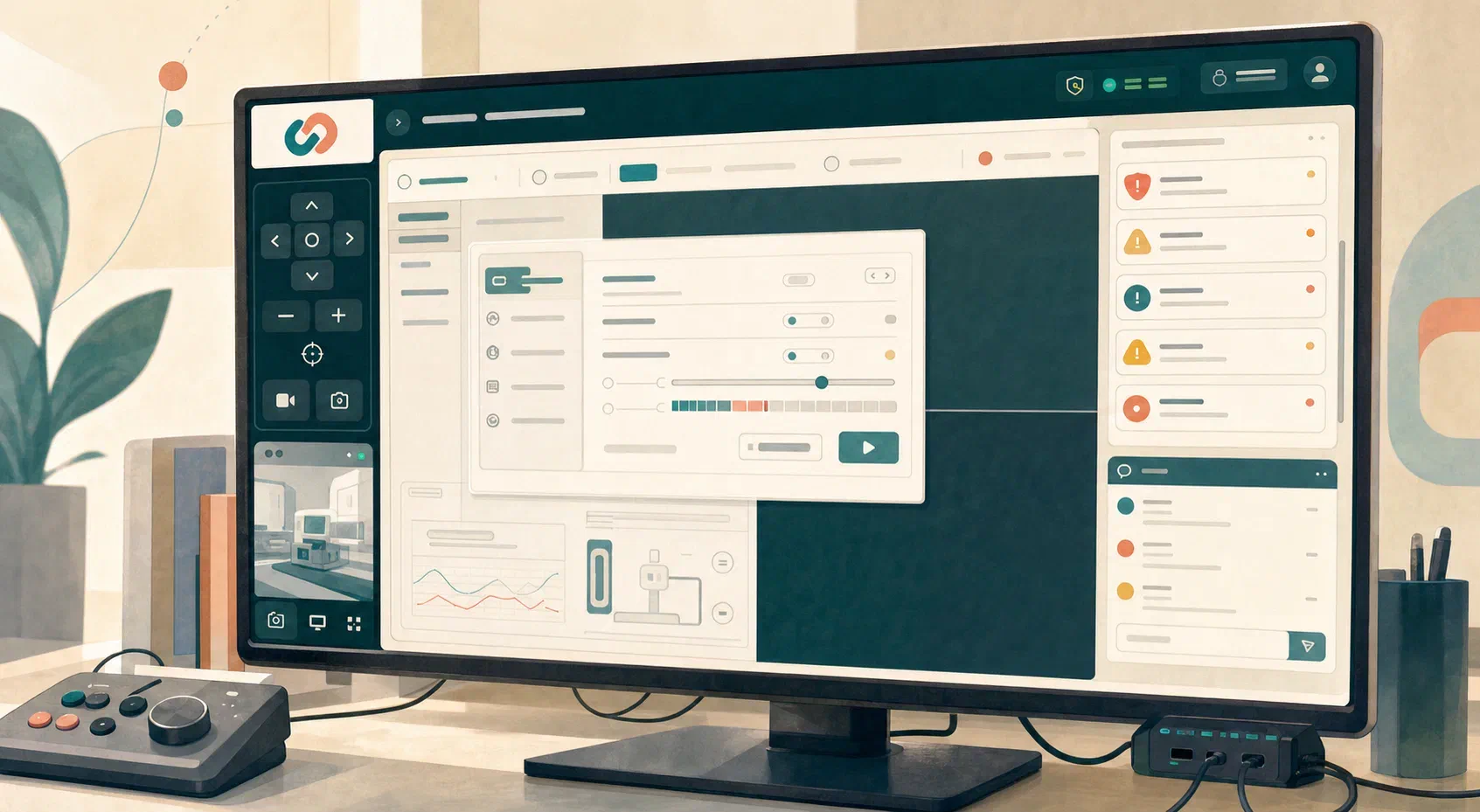
The professional conducts exams remotely with console access, high resolution, and low latency.
Cameras, alarms, and the team monitor operation stages with event logs.
Security
Each layer protects patients, equipment, and data while preserving the agility required for operation.
Traffic travels through a private tunnel separated from the public internet.
Data and communications remain encrypted during operation.
An additional verification layer protects access.
Text, files, voice, and video within the platform.
Immediate activation with protection against accidental alarms.
Alerts remain recorded with date and responsible professional.
Non-intrusive technology
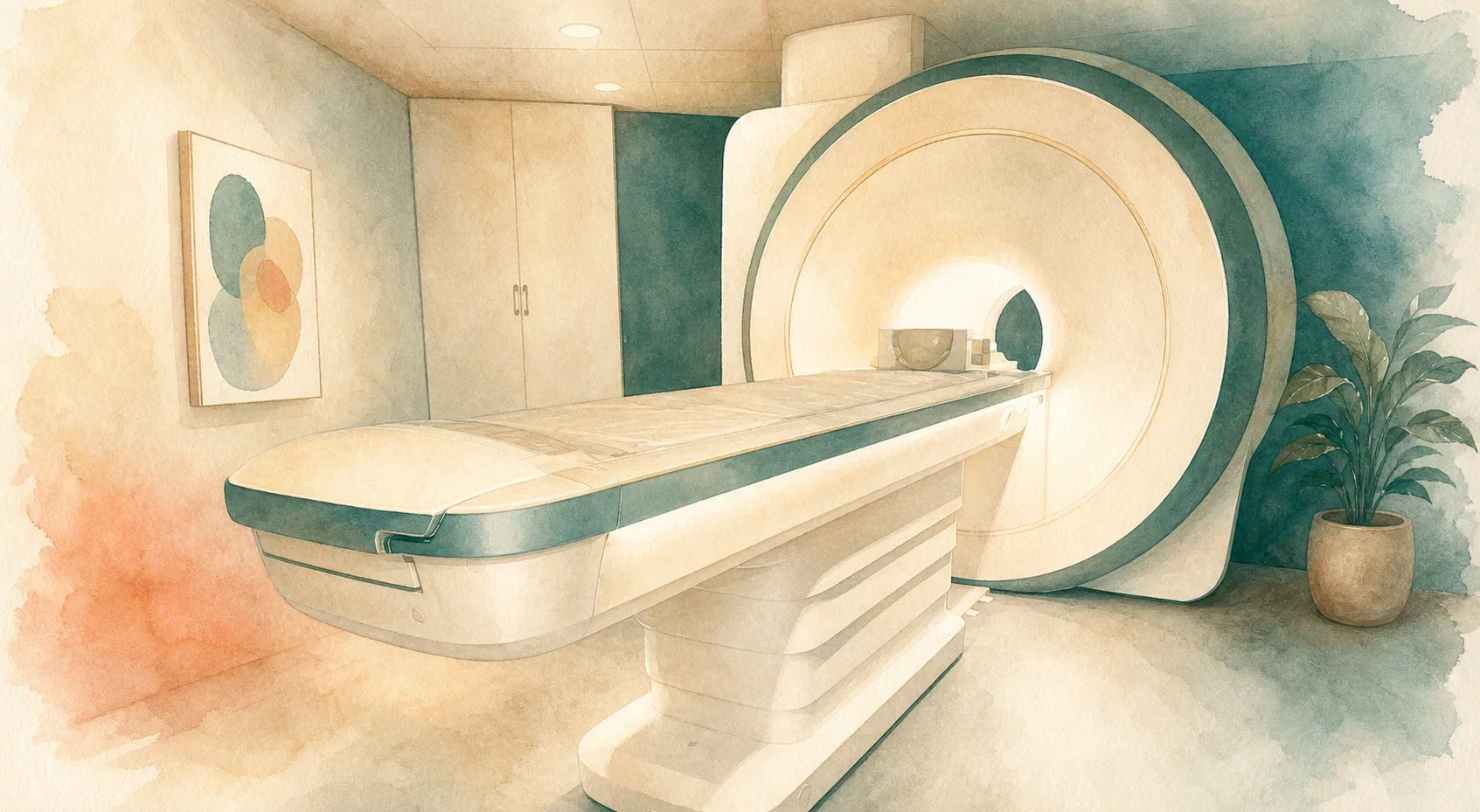
The hardware is supplied on loan and installed without additional software on the imaging equipment.
During installation
Installation preserves the equipment and keeps access to the original console available.
Precisely calibrated pressure mechanisms help preserve key lifespan.
Collision sensors and an emergency button are part of the set installed in the room.
See it in practice
Talk to us about your infrastructure, challenges, and goals.